
Conservation in Action
BLACK HARRIER
Conservation collaboration
BLACK HARRIER
conservation in action
A collaborative effort to protect the Black Harrier
Protecting the Black Harrier requires collaboration across landscapes, organisations and expertise. Because Black Harriers move across large areas and only about 53% of known nesting sites fall within protected areas, conservation efforts must extend beyond protected areas.
As a result, it cannot be up to one organisation to protect the species from the many threats it faces.
From this concern, the Black Harrier Task Force was born. The Task Force works towards a shared goal: securing a healthy future for this threatened raptor.This collaborative approach allows partners to work together across landscapes, sharing knowledge and resources.
The Black Harrier Task Force: Quick facts
10
conservation partner organisations & additional specialists
Location
Covering much of South Africa
40
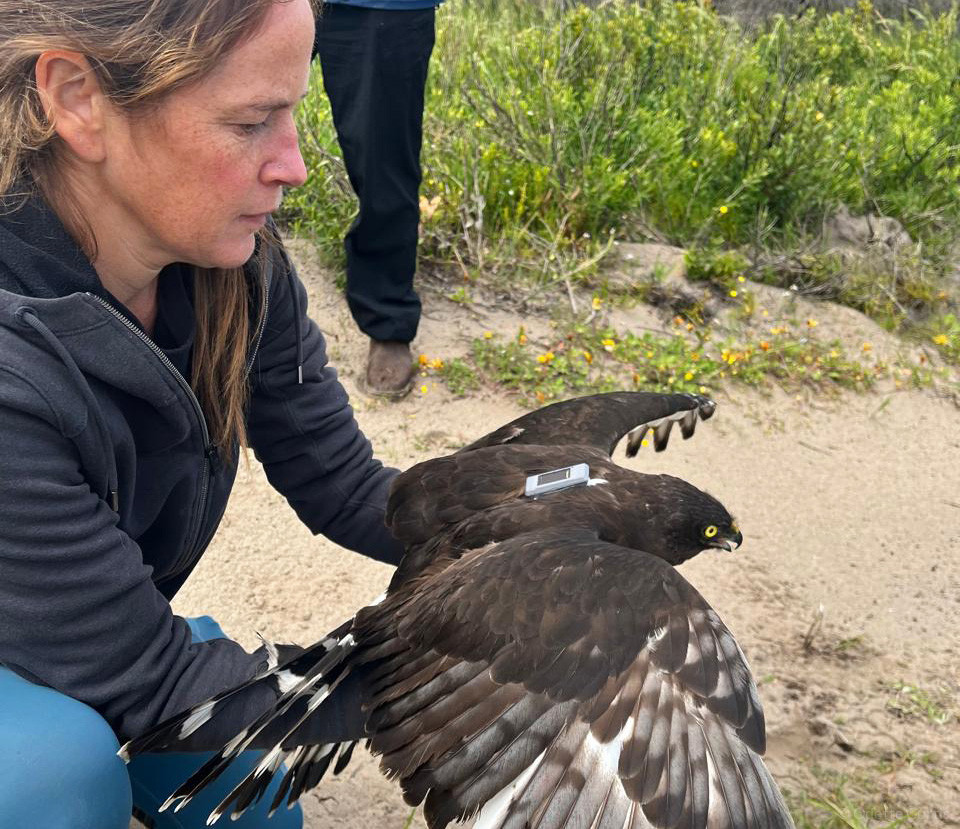
A total of 40 birds (30 adults and 10 juveniles) tracked via GPS trackers to date by the Overberg Renosterveld Trust and Birds & Bats Limited, in collaboration with the Dutch Montagu’s Harrier Foundation
21
The number of Black Harriers fitted with satellite/GPS trackers by Dr Megan Murgatroyd of Hawkwatch International
Meet the Black Harrier Task Force
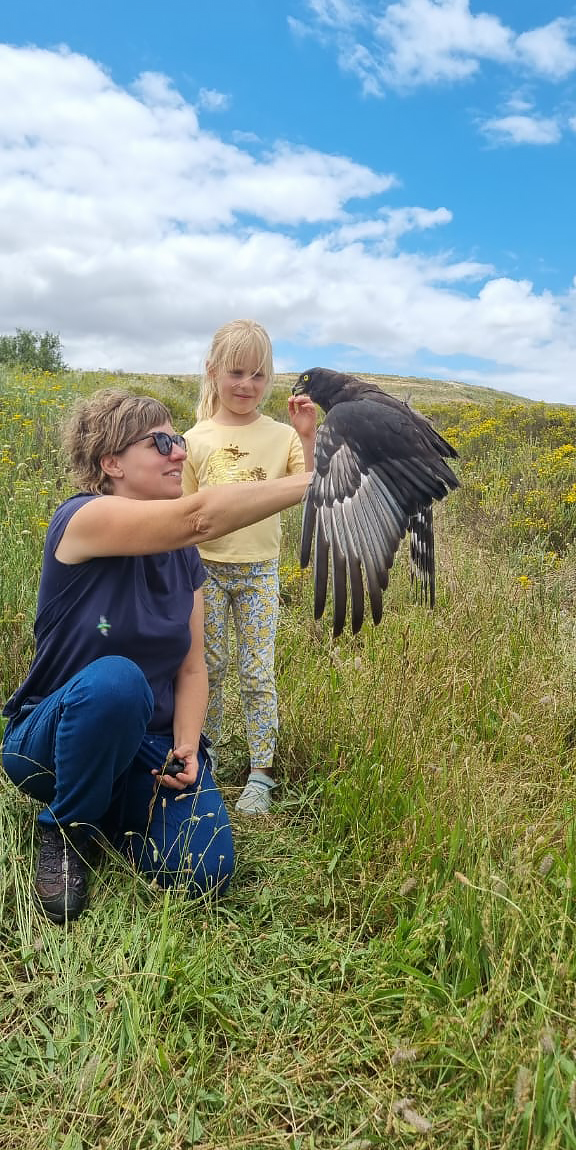
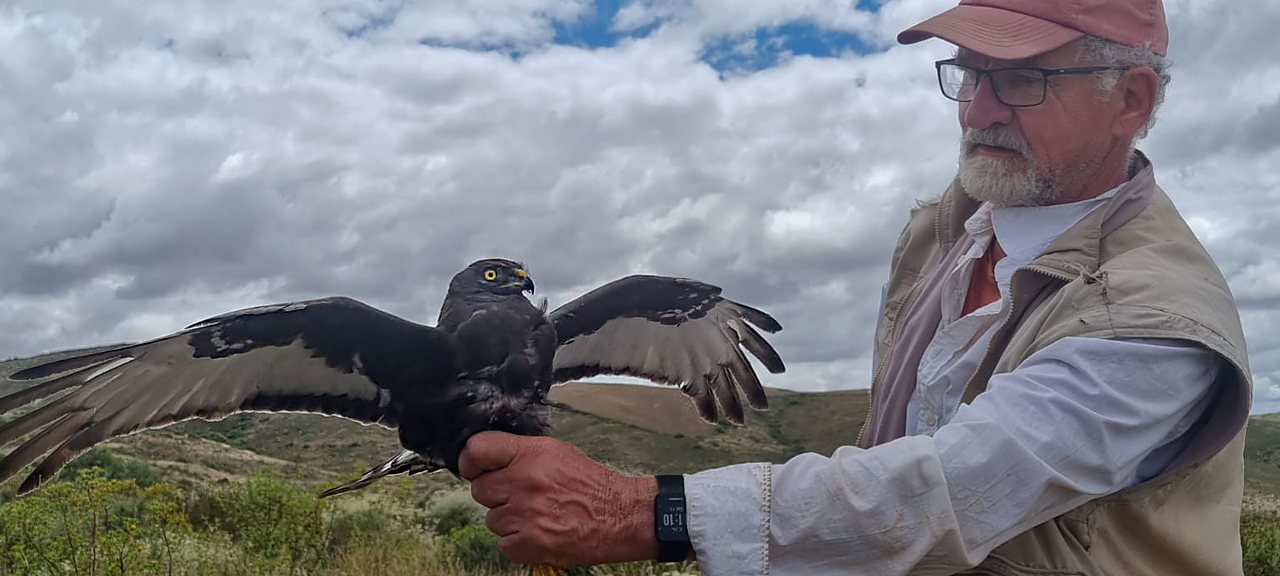
The Black Harrier Task Force consists of conservation organisations, scientists and specialists focused on the long-term conservation of the Black Harrier. It is currently coordinated by the Overberg Renosterveld Trust, working closely with partners to implement the Black Harrier Conservation Action Plan and support conservation across the species’ range.
This collaborative approach helps ensure that conservation efforts are coordinated, informed by science and focused on long-term outcomes.

vision
The shared vision of the Black Harrier Task Force is:
To ensure a viable, steadily increasing Black Harrier population by addressing key threats and inspiring collective action for their conservation.
Our partners
The Black Harrier Task Force brings together organisations working across conservation, research and land management. Partners include:









Black Harrier Conservation Action Plan
The Black Harrier Conservation Action Plan outlines the shared vision, goals and conservation priorities identified by the Black Harrier Task Force for protecting the species across its range.
This document provides a roadmap for collaborative conservation, research and monitoring.
Black Harrier conservation:
What we do

natural landscapes
Protecting critical habitat
Black Harriers depend on natural landscapes, particularly fynbos, renosterveld and grassland vegetation types. Protecting these habitats is central to conservation efforts.
Work focuses on:
– protecting remaining natural vegetation
– improving landscape connectivity
– supporting conservation on private land
– maintaining breeding habitat
These efforts help ensure that Black Harriers have safe places to breed, hunt and roost.
Field monitoring and seasonal surveys
The Task Force is now also planning to take monitoring a step further: During the breeding season, a field worker will be appointed to monitor Black Harriers in remote areas, particularly in the Eastern Cape and Northern Cape.
Monitoring hard-to-reach areas improves knowledge gaps and helps guide conservation planning.
Working with landowners
Much of the Black Harrier’s habitat occurs on privately owned land. Working with landowners is therefore essential to protecting breeding, roosting and foraging areas.
Collaboration with landowners helps:
– protect natural habitat
– reduce disturbance
– support long-term conservation
Partners in the Black Harrier Task Force take different approaches in working with farmers – from signing voluntary conservation easements with landowners or acquiring critical parcels of Black Harrier breeding habitats in highly transformed landscapes. This landscape-scale approach is key to securing a future for this spectacular species.
Addressing the impacts of wind turbines
The partners on the BHTF are involved with various elements associated with new and existing Wind Energy Facilities (WEFs). This includes advocacy, contributing data towards specialist reports, assessing specialist reports and Environmental Impact Assessments (EIAs) and working closely with the developers themselves to ensure that mitigation and monitoring are implemented to the highest standard. Where unacceptable collision rates occur (for Black Harriers, this is anything above zero), we advise on improved mitigation to reduce impacts.
READ MORE
This presents many challenges and can be the source of much frustration for both conservationists and developers, but the entire process is a giant learning curve on which we constantly need to be open to learning new lessons, improving our scientific understanding of the threats and mitigations, and being willing to invest in the best available technology or manpower to address collisions. For example, in some areas, human shut down on demand (hSDOD) is not feasible due to harsh environments and automated SDOD is preferred. The success of the experiments in blade patterning at the Hopefield wind farm, where an 80% reduction in fatalities was put forward by developers with their WEF applications, need to be carefully scrutinised, while we work together to find the best ways to support responsible developments.
Already some WEFs in the Overberg and elsewhere are / will soon be trialling shutdown-on-demand – led either by observers or by cameras trained to recognise species through artificial intelligence (AI). When a bird is sighted in the vicinity (either by an observer or an AI-trained camera) of a wind turbine, a process kicks in to shut down the turbine until the bird has moved out of the risk zone.
Research also shows while raptors are known for their incredibly sharp eyesight, their ability to see contrast is the reason that they often do not see the turning blades. Research into blade patterning as a mitigation measure is ongoing and the latest studies are showing that, at least for some species, in some areas, patterning one of the turbine blades a different colour (such as signal red), birds are more likely to see the dangerous blades and avoid them. This technology needs further research and some members of the Black Harrier Task Force are actively involved with this research.
Building awareness
Building awareness is an important part of Black Harrier conservation. Increasing the understanding of this threatened species helps support conservation action and encourage collaboration.
Efforts include:
– developing this website
– sharing tracking stories
– media engagement
– outreach and education
– Bird of the Year awareness
Raising and maintaining awareness programmes helps ensure that the Black Harrier is not forgotten or overlooked, and that hopefully more who are lucky enough to have the species on their property are encouraged to engage with conservation authorities and NGOs on how they can contribute towards keeping the species safe and protecting their critical habitats.

Why this work matters
Conservation action, collaboration and awareness are essential to securing a future for this species. By working together, conservation partners are helping protect Black Harriers.